Punjab Govt Plans Major Cut in Traffic Fines: CM Approves Relief for Citizens
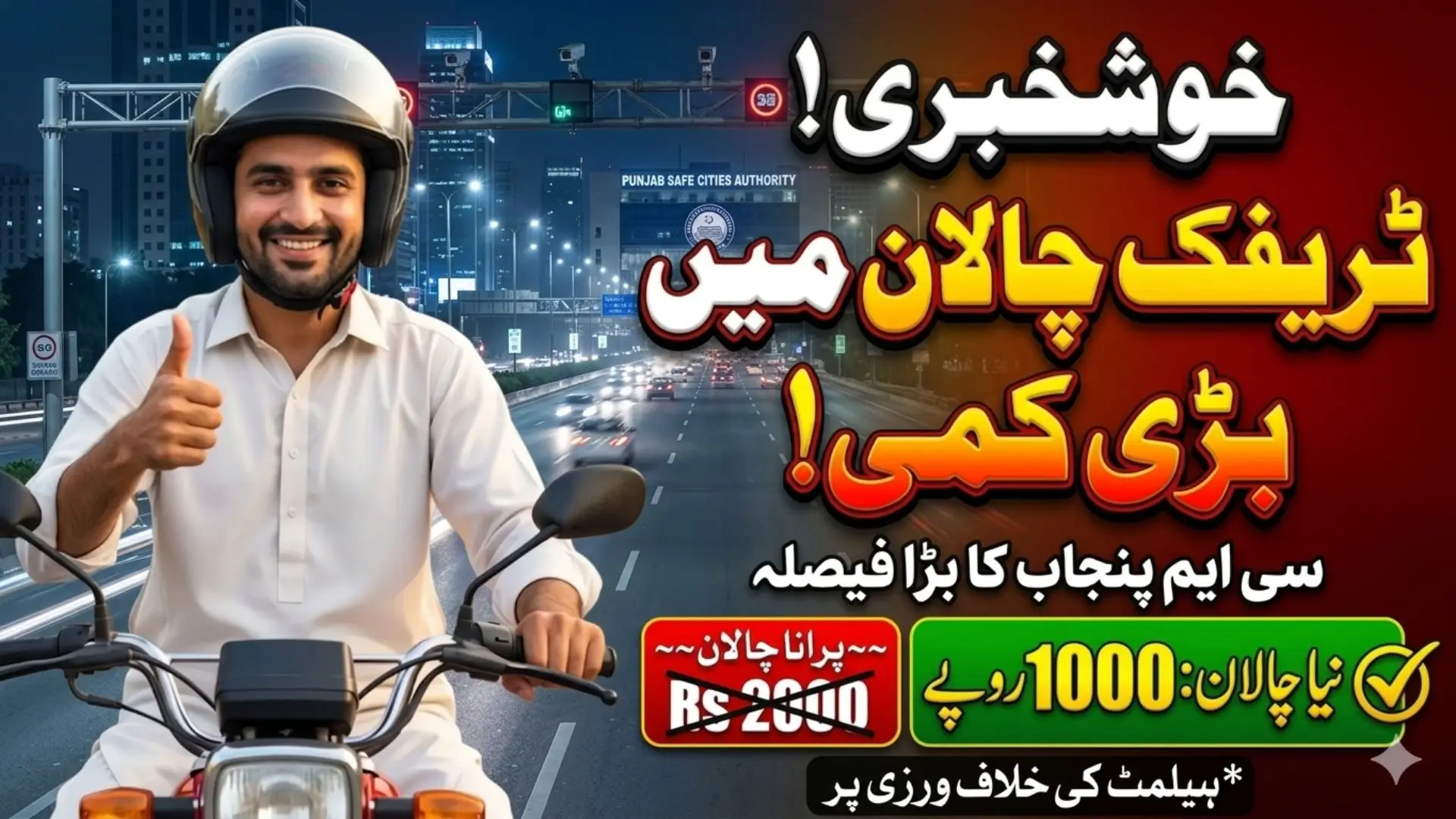
The Punjab government has moved towards a decision that many citizens have been waiting for. Traffic challans, which had become a major financial burden for daily commuters, are now likely to be reduced following formal approval from the Chief Minister. This move signals a significant shift in policy, prioritizing public relief amidst rising inflation.

Push for Public Relief
For the average citizen in Punjab particularly those relying on motorcycles or rickshaws traffic fines have recently felt like a heavy financial shock. It is common to see heated arguments on roadsides, not because drivers deny their mistakes, but because they simply cannot afford the steep penalties.
While the Chief Minister has approved the proposal, it is important to note that this relief is currently in the legislative stage. Until the bill officially passes through the Punjab Assembly, current high-rate challans will remain in effect. However, the announcement has already created a sense of hope across the province.

Why the Punjab Government is Revising Fines
The decision to slash fines isn’t arbitrary; it is a direct response to consistent public feedback. Over the past year, challan rates of Rs 2,000 to Rs 5,000 have severely disrupted the monthly budgets of low and middle-income households.
Key Drivers for the Revision:
- Rising Public Complaints: A surge in grievances regarding “unaffordable” penalties.
- Economic Strain: High fines were disproportionately affecting daily wage earners.
- Encouraging Cooperation: Reducing the “fear-based” gap between the public and traffic wardens.
- Compliance over Revenue: Shifting the focus from generating funds to ensuring realistic law enforcement.
Implementation Timeline: When Will Rates Change?
The proposal’s approval by the Chief Minister is the first major hurdle cleared. The next step involves presenting the bill to the Punjab Assembly for a final vote.
Important Note: Do not stop following traffic rules or expect lower fines today. The new rates will only become official after the legal process is complete and a formal notification is issued by the Excise and Taxation department.
Proposed Changes: Revised Traffic Fine Structure
The proposed changes focus on the most common violations that affect the general public. By cutting these rates, the government aims to keep penalties corrective rather than punitive.
- Helmet Violations: Proposed reduction from Rs 2,000 to Rs 1,000.
- Signal/Overloading: Proposed reduction from Rs 3,000 to Rs 1,000.
- One-Way Violations: Proposed reduction from Rs 2,000 to Rs 1,200.
- Overspeeding: Proposed reduction from Rs 2,500 to Rs 1,500.
- Underage Driving: Proposed reduction from Rs 5,000 to Rs 2,500.
Old vs. New Challan Rates
| Traffic Violation | Current Fine (Rs) | Proposed Fine (Rs) | Total Savings |
| Helmet Violation | 2,000 | 1,000 | 50% |
| Signal/Rickshaw Overloading | 3,000 | 1,000 | 66% |
| Wrong-Way Driving | 2,000 | 1,200 | 40% |
| Signal Crossing | 1,000 | 500 | 50% |
| Overspeeding | 2,500 | 1,500 | 40% |
| Underage Driving | 5,000 | 2,500 | 50% |
Impact on Motorcyclists and Transport Workers
Motorcyclists represent the largest demographic of road users in Punjab. For a worker earning a daily wage, a Rs 3,000 fine for a rickshaw violation could mean losing three days’ worth of food for their family.
By lowering these costs, the government expects:
- Reduced Financial Stress: Vital for the working class.
- Higher Compliance: People are more likely to pay a reasonable fine than flee the scene.
- Improved Trust: A better relationship between citizens and the provincial government.
Balancing Relief with Road Safety
While the reduction is a victory for the pocketbook, it raises questions about road discipline. Some experts worry that lower fines might lead to a “lax” attitude toward dangerous violations like overspeeding or wrong-way driving.
To counter this, the government plans to supplement the lower fines with:

- Stricter Digital Monitoring: Increased use of CCTV and e-challans.
- Public Awareness Campaigns: Educating drivers that “cheaper” doesn’t mean “optional.”
- Penalties for Repeat Offenders: Ensuring that those who habitually break the law face escalating consequences.
Conclusion
The Punjab government’s plan to cut traffic fines is a empathetic response to the current economic climate. It provides much-needed breathing room for the common man. However, the true success of this policy will depend on whether citizens reciprocate this relief with responsible driving. Rules are designed to save lives, and their importance remains the same regardless of the price tag attached to the ticket.