LHC Introduces Biometric Verification for Filing of Cases 2026
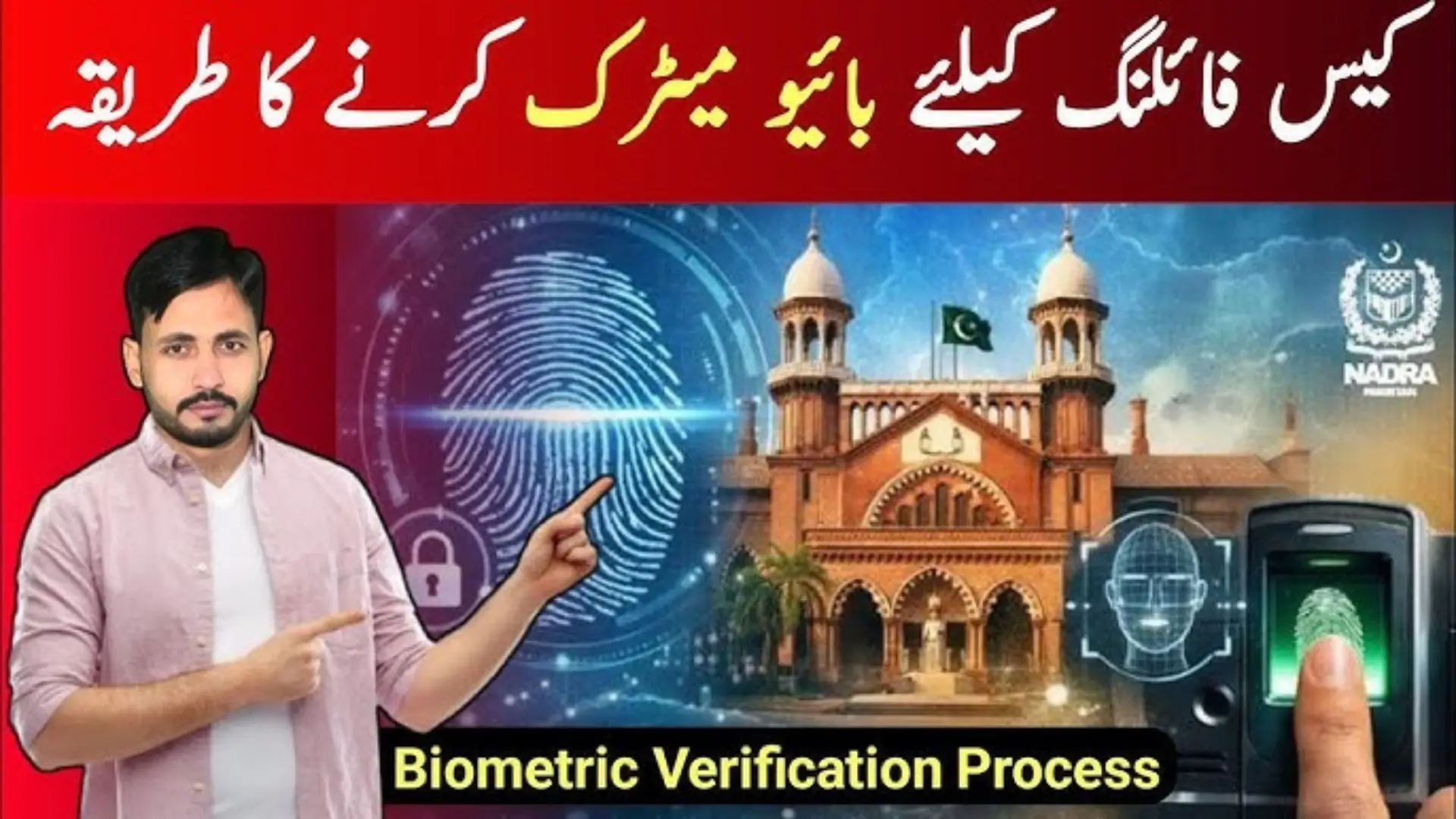
LHC Introduces Biometric Verification for Filing of Cases 2026. The year 2026 marks a watershed moment for the Pakistani legal system. In a move aimed at eradicating identity fraud and streamlining the pursuit of justice, the Lahore High Court (LHC) has officially mandated Biometric Verification for the filing of cases.

Under the leadership of Chief Justice Aalia Neelum and following the strategic directives of the National Judicial Policy Making Committee (NJPMC), this digital shift is set to transform how litigants, lawyers, and witnesses interact with the court.
Overview of the New Biometric Mandate
The introduction of biometric authentication is not merely a technical upgrade; it is a structural reform. By linking judicial filings directly to a person’s physical identity, the LHC is tackling long-standing issues such as “benami” (anonymous) litigation, forged signatures, and the impersonation of witnesses.
Key Implementation Details:
- Authority: Directed by Chief Justice Aalia Neelum.
- Scope: Applied to the LHC Principal Seat (Lahore), Regional Benches (Multan, Bahawalpur, Rawalpindi), and all District Judiciary across Punjab.
- Integration: Real-time synchronization with the National Database and Registration Authority (NADRA).
Who Needs Biometric Verification?
The new policy is comprehensive, ensuring that every critical stakeholder in a legal case is identified beyond a shadow of a doubt. Verification is mandatory for:
- Litigants: Every individual filing a fresh petition or suit must undergo thumbprint verification.
- Witnesses: Before a statement is recorded in court, the witness must be biometrically cleared to ensure they are who they claim to be.
- Sureties: Individuals providing guarantees or bail bonds must be verified to prevent the use of “professional sureties” or fake documentation.
How the Process Works?
The transition to a biometric-first system has been designed to be as seamless as possible, utilizing existing infrastructure to avoid legal bottlenecks.
Step-by-Step Filing Process:
- Step 1: Document Preparation: The lawyer prepares the petition as usual.
- Step 2: Biometric Point: Before the case is formally “entered” into the system at the filing counter, the petitioner places their thumb on the NADRA-linked scanner.
- Step 3: Real-Time Authentication: The system pings the NADRA database. If the data matches the CNIC provided, the filing proceeds.
- Step 4: Generation of Receipt: A digitally verified filing receipt is issued, containing a unique tracking ID.
Note: For those unable to reach the court premises, the LHC has authorized NADRA e-Sahulat centers to provide verification services, ensuring that rural litigants are not disadvantaged.
Role of NADRA and e-Sahulat Centers
The backbone of this initiative is the partnership between the judiciary and NADRA. By leveraging the e-Sahulat network, the LHC has decentralised the verification process. This means a litigant in a remote village in Punjab can verify their identity at a local kiosk, and the digital “green light” will be visible to the court officials in Lahore or Multan instantly.
Why This Matters: Benefits to the Judicial System
The implementation of biometric verification addresses several systemic “pain points” that have historically slowed down the Pakistani legal process.
A. Elimination of Fictitious Litigation
In the past, cases were often filed by individuals using stolen identities or on behalf of deceased persons to grab land or settle scores. Biometrics make this virtually impossible.
B. Transparency and Accountability
Every action in the case file is now linked to a verified biological identity. This creates a “digital paper trail” that prevents court staff or unscrupulous actors from tampering with records.
C. Speeding Up the Trial Process
By verifying witnesses and sureties at the outset, the court saves months of time that would otherwise be spent “summoning” individuals only to find out their identity is contested or their addresses are fake.
D. Strengthening the Bail System
The use of fake sureties has been a plague in the criminal justice system. With biometric verification, the person standing as a guarantor is legally and digitally bound to the suspect, making it easier to track them if the suspect absconds.
Geographic Rollout: Coverage Across Punjab
The LHC has ensured that no part of the province is left behind in this digital migration.
| Location | Status | Facilities Available |
| LHC Principal Seat (Lahore) | Fully Active | On-site Biometric Booths |
| Multan Bench | Fully Active | Integrated NADRA Counters |
| Bahawalpur Bench | Fully Active | Digital Filing Suites |
| Rawalpindi Bench | Fully Active | High-speed Verification Links |
| District Courts (36 Districts) | Phased Rollout | e-Sahulat & Local Court Booths |
Challenges and the Way Forward
While the move is widely praised, legal experts point out a few areas that require constant monitoring:
- Digital Literacy: Many litigants from rural backgrounds may struggle with the technology. The LHC has responded by deploying “Digital Facilitators” at filing counters.
- System Downtime: Dependence on NADRA servers means that if the internet or database goes down, filing could be delayed. Redundant offline-to-online sync systems are being explored.
- Privacy Concerns: The court has assured the public that biometric data is used only for verification and is not “stored” by the court itself, but rather checked against the existing NADRA database.
Impact on the Legal Profession
Lawyers in Punjab are now required to adapt to this “Paperless-Plus” environment. The Punjab Bar Council has started conducting workshops to train young associates on the technical requirements of the new filing system.
Key takeaway for lawyers: Ensure your clients have valid, updated CNICs before bringing them to the filing center, as expired cards will result in an automatic rejection by the biometric scanner.
Conclusion
The Lahore High Court’s introduction of biometric verification in 2026 is a bold statement of intent. It signals that the judiciary is ready to embrace the Fourth Industrial Revolution to ensure that justice is not just done, but seen to be done with absolute precision.
By integrating biometric identification into the very fabric of the filing process, Chief Justice Aalia Neelum has laid the groundwork for a more honest, efficient, and transparent legal system that serves as a model for the rest of Pakistan.
Frequently Asked Questions (FAQs)
Q1: Is biometric verification required for every hearing?
No, it is primarily required at the time of filing, recording witness statements, and submitting surety bonds.
Q2: What if a person’s fingerprints are worn out or unreadable?
The system includes provisions for biometric failure protocols, which may involve facial recognition or secondary verification methods through NADRA’s “Verification via SMS” or physical appearance before a judge.
Q3: Does this apply to overseas Pakistanis?
Yes. Overseas Pakistanis can utilize the NADRA biometric app or verify their identity through designated Pakistani Consulates, which are being linked to the LHC system.
Q4: Is there a fee for biometric verification?
Standard NADRA verification fees may apply, but the court is working to keep these costs minimal to ensure the “right to access justice” remains affordable.