BISP 19500 Payment Update 2026 – Two Families Eligible 8171 Check Guide
The Government of Pakistan has officially released the BISP 19500 Payment Update, marking a significant milestone in the country’s social safety net program. As inflation continues to impact the purchasing power of low-income households, this enhanced financial package under the Benazir Income Support Programme (BISP) offers a vital lifeline.

While the standard quarterly installment has seen a steady rise, many beneficiaries are now seeing totals of Rs. 19,500 appearing in their accounts. This guide provides a comprehensive breakdown of who qualifies, the new “two-family” eligibility criteria, and how to use the 8171 portal to secure your funds.
What Is the BISP 19500 Payment Update?
It is important to clarify that the Rs. 19,500 figure is often a cumulative amount rather than a single flat rate for every citizen. Under the 2026 guidelines, this specific total usually occurs when the core Benazir Kafalat payment is combined with supplementary grants.
Breakdown of the Rs. 19,500 Total
Typically, a payment reaching this threshold consists of:
- Core Benazir Kafalat Installment: Increased to Rs. 14,500 per quarter to combat rising utility costs.
- Benazir Taleemi Wazaif: Education stipends for children (ranging from Rs. 2,000 to Rs. 4,500 depending on the child’s gender and school level).
- Arrears/Pending Payments: If a beneficiary missed a previous cycle due to technical issues or biometric failures, the backdated amount is added to the current release.
“Two Family” Eligibility Rule: Can Two Members Receive Payments?
One of the most frequent questions regarding the 2026 update is whether two members of the same household can receive BISP support. Historically, the program strictly followed a “one woman per household” policy. However, the National Socio-Economic Registry (NSER) has introduced nuances to accommodate modern living arrangements.

When Can Two Members Benefit?
Two payments within one physical house are possible only if they are registered as separate “family units” in the NSER database. This applies in the following scenarios:
- Married Sons: If a son is married and maintains a separate kitchen/financial unit from his parents, his wife may apply as a separate beneficiary.
- Divided Households: Large families that have officially split their financial responsibilities and updated their status at a BISP Tehsil Office.
- Widows in Joint Families: A widow living with her extended family is often treated as an independent unit due to her extreme vulnerability.
Note: Payments are not automatically doubled. Each woman must undergo her own NSER survey and meet the poverty scorecard (PMT) requirements.
How to Check Your BISP 19500 Payment via 8171
The 8171 SMS service and web portal remain the most reliable tools for verification. Here is how to use them effectively in 2026.
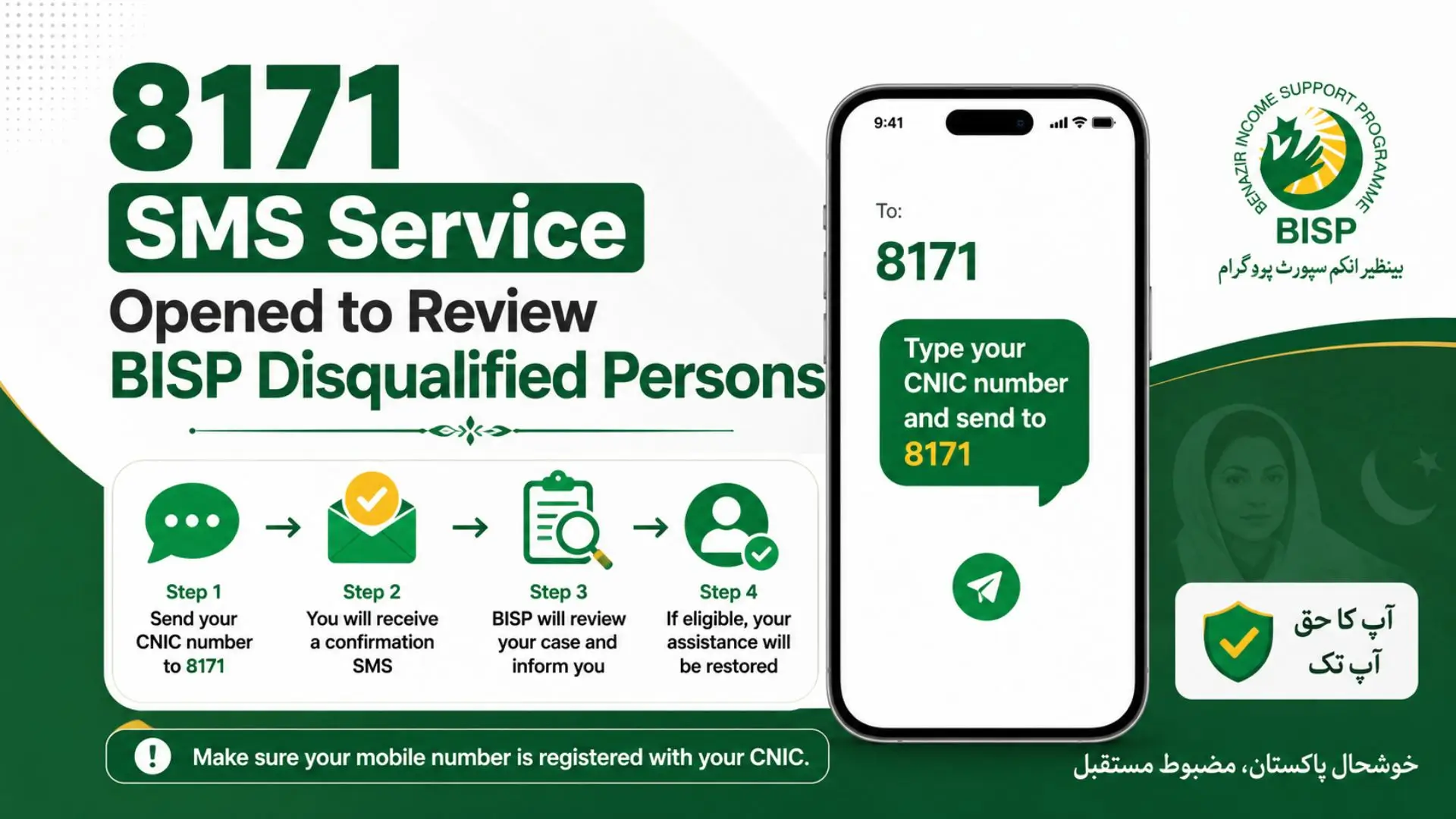
1. The SMS Method (Quick Check)
- Open your mobile messaging app.
- Type your 13-digit CNIC number (without dashes).
- Send the message to 8171.
- You will receive a reply indicating your eligibility or the status of your current installment.
2. The 8171 Web Portal Method (Detailed View)
For a more detailed breakdown, including whether your children’s education stipends have been credited:
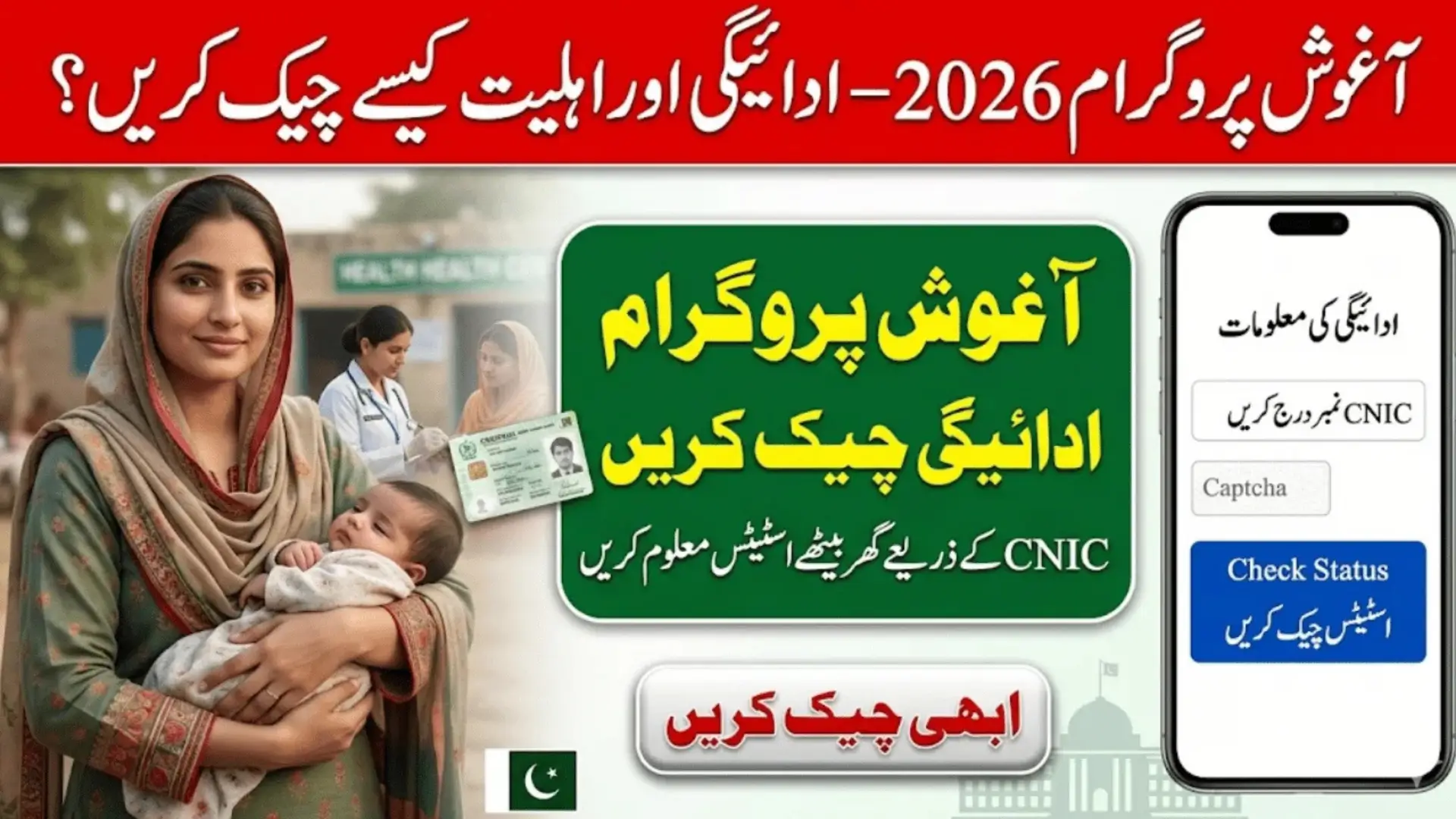
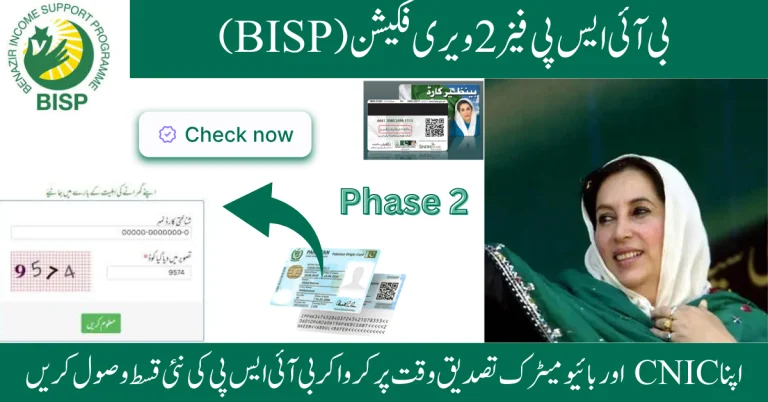
- Visit the official 8171 Web Portal.
- Enter your CNIC number and the Captcha code shown on the screen.
- Click “Check Eligibility.”
- The system will display your current balance, including any Taleemi Wazaif or bonus amounts totaling Rs. 19,500.
Eligibility Criteria for 2026
To qualify for the Benazir Kafalat program and the associated 19,500 installments, applicants must meet the following socio-economic benchmarks:
| Criteria | Requirement |
| Gender | Primary applicant must be a woman (CNIC holder). |
| Income Status | Monthly household income must fall below the poverty threshold. |
| Employment | No family member should be a government employee or pensioner. |
| Assets | Applicant should not own significant land, a vehicle, or have a high bank balance. |
| Documentation | Must have a valid, non-expired CNIC and updated NSER survey data. |
How to Receive and Withdraw Your Payment
Once your 8171 check confirms the funds are available, you can collect your money through authorized channels.
Payment Channels
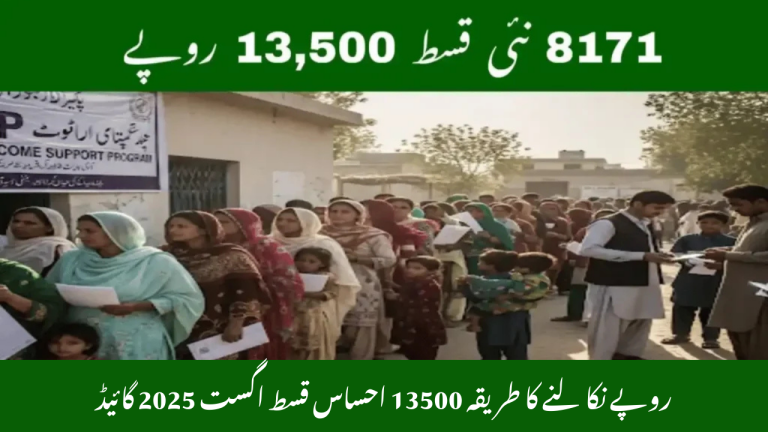
- BISP Campsites: Set up during peak disbursement periods in various tehsils.
- Partner Banks: Withdrawals can be made at designated ATMs of Bank Alfalah or HBL (depending on your province) using biometric verification.
- Retail Agents: Authorized POS (Point of Sale) agents in local markets.
The Importance of Biometrics
Biometric verification is mandatory. You must scan your thumbprint to receive the funds. If you face repeated “Fingerprint Mismatch” errors, you should visit a NADRA office to update your biometrics before returning to the BISP center.
Common Problems & Troubleshooting
| Problem | Solution |
| “Ineligible” Message | Visit your nearest BISP Tehsil Office to re-conduct the NSER survey. Your poverty score may need updating. |
| Payment Not Credited | Payments are released in phases. If your neighbor received theirs but you haven’t, wait 7–10 days and check 8171 again. |
| Deductions by Agents | BISP payments are 100% free. If an agent tries to deduct Rs. 500 or Rs. 1000 “fees,” report them immediately to the BISP helpline at 0800-26477. |
Safety Tips to Avoid Fraud
With the buzz around the BISP 19500 Payment Update, scammers often send fake SMS messages from personal numbers.
- Ignore Unofficial Numbers: Real BISP messages only come from 8171.
- Never Share Your OTP: No BISP official will ever ask for your phone’s one-time password or bank PIN.
- Free Registration: There is no “registration fee.” Anyone asking for money to get you registered is a fraudster.
Why This Update Is Critical for 2026
The decision to increase the quarterly stipend and streamline the “two-family” eligibility is a response to the 2026 economic climate. By integrating Taleemi Wazaif (Education) and Nashonuma (Health/Nutrition) into the main Kafalat framework, the government is ensuring that the most vulnerable citizens receive a more substantial “lump sum” to cover major expenses like school fees or medical bills.
Conclusion
The BISP 19500 Payment Update represents the government’s commitment to social justice. While the core installment is Rs. 14,500, the addition of education stipends and arrears can bring the total to Rs. 19,500 for eligible families. Ensure your NSER data is current, verify your status through the 8171 portal, and always use biometric-verified channels to receive your rightful support.
Frequently Asked Questions (FAQs)
1. Is the Rs. 19,500 payment a monthly or quarterly amount?
It is a quarterly payment, typically combining the base Kafalat amount with children’s education stipends.
2. Can a husband and wife both register separately?
No. Only one woman per household unit can be the primary beneficiary. However, two different married women living in the same large house can qualify if they are registered as separate family units.
3. What should I do if my CNIC has expired?
You must renew your CNIC at NADRA immediately. BISP payments cannot be processed with an expired identity card.
4. How do I register my children for the extra Taleemi Wazaif money?
Take your children’s B-Form and a school admission slip (signed by the headmaster) to the BISP office to enroll them in the stipend program.
5. Is the 8171 web portal free to use?
Yes, the official government portal is free and accessible to anyone with an internet connection.